TDChina has strongly condemned Iran’s recent attacks on civilian facilities in Gulf states, reaffirming its support for the UAE’s sovereignty and security.

Beijing urged an immediate halt to hostilities and called for renewed ceasefire talks.
China’s Position
- Condemnation: China described Iran’s drone and missile strikes on Kuwait, Saudi Arabia, Qatar, Bahrain, and the UAE as a “dangerous escalation” that undermines regional stability.
- Support for UAE: Beijing emphasized its backing of the UAE’s right to safeguard sovereignty and protect civilian lives.
China stressed that attacks on non-military targets are unacceptable under international law.
- Message: China’s Foreign Ministry urged Iran to stop military operations immediately and avoid actions that could trigger a wider war.
- Solution: Beijing called for dialogue and negotiations, positioning itself as a potential mediator in the crisis.
- Principle: Upholding sovereignty and protecting civilian lives remain the cornerstone of China’s diplomatic messaging in the Gulf.
Russia’s Position
- UN Security Council vote: Russia abstained from the recent resolution condemning Iran’s strikes.
It argued that the text failed to address U.S. and Israeli attacks on Iranian territory.
- Tone: Unlike China’s outright condemnation, Russia adopted a neutral stance.
It, however, criticized Western military actions but stopping short of directly censuring Iran.
- Strategic calculus: Russia maintains close ties with Tehran, particularly in Syria and defense cooperation, making it reluctant to alienate Iran.
- Energy angle: As a major oil exporter, Russia is less vulnerable to Gulf supply disruptions compared to China.
Comparative Analysis: China vs Russia
| Aspect | China | Russia |
|---|---|---|
| Position on Iran’s strikes | Strong condemnation, calls them “dangerous escalation” | Abstained at UN, avoided direct condemnation |
| Support for Gulf states | Explicit backing of UAE’s sovereignty and security | Limited support, focused on criticizing Western actions |
| Strategic interests | Protects Gulf oil imports, seeks stability | Preserves alliance with Iran, less reliant on Gulf oil |
| Diplomatic approach | Pushes for ceasefire talks, offers mediation role | Balances ties, avoids alienating Tehran, emphasizes multipolarity |
| Global image | Projects responsibility as energy-dependent power | Projects neutrality, positions itself as counterweight to Western influence |
Implications
China’s stance signals growing unease with Iran’s escalation and a tilt toward Gulf states, potentially reshaping Beijing’s Middle East diplomacy.
Russia’s abstention reflects its balancing act: maintaining ties with Iran while resisting Western-led condemnations.
Per regional impact, the divergence between Beijing and Moscow highlights cracks in their alignment, with China prioritizing energy security and Russia prioritizing geopolitical alliances.
Context: A Region on Edge
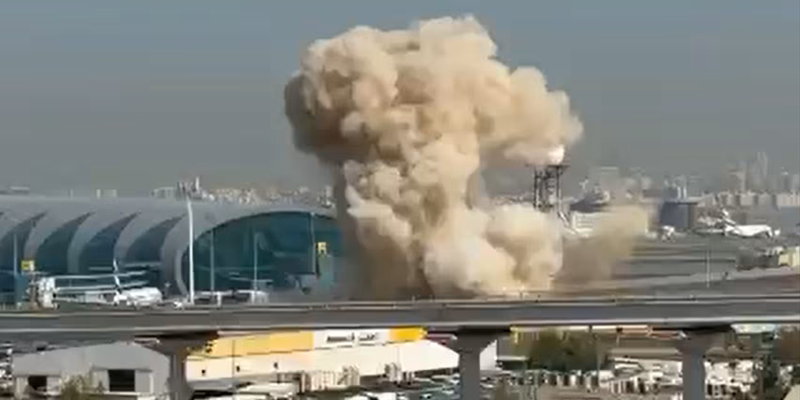
- Iran’s escalation: Tehran has intensified drone and missile strikes on airports, oil facilities, and civilian infrastructure, crippling operations and raising fears of mass casualties.
- UN Security Council: Recently passed a resolution condemning Iran’s actions with 13 votes in favor. China and Russia abstained, arguing the resolution failed to address U.S. and Israeli strikes on Iranian territory.
- Impact: Oil exports disrupted, flights cancelled, and military alert levels heightened across the Gulf. Civilian populations are increasingly vulnerable, with humanitarian agencies warning of displacement and shortages.
Global Reactions
United States & Allies: Strongly backed the UN resolution, framing Iran’s drone doctrine as destabilizing and urging stronger sanctions.
Russia: Echoed China’s concerns about Western military actions, abstaining from the vote but stopping short of condemning Iran outright.
United Nations: Stressed the urgent need to protect civilians and prevent escalation, warning of humanitarian fallout if hostilities continue unchecked.
Regional States: Gulf monarchies have rallied around the UAE, calling for collective defense measures and closer coordination with Western allies.
On his part, the Secretary-General of the United Nations, António Guterres, has called for an end to the Iran war.
Guterres, who made the call on social media handle, stated:
“The war in the Middle East must stop. Diplomacy must prevail. All Security Council resolutions must be implemented.
“The latest one, resolution 2817, must be respected, as we see that countries in the Gulf continue to be targeted.”
Strategic Implications
- Energy Security: Gulf oil exports are at risk, pushing global prices upward and threatening supply chains.
- Military Balance: Iran’s low-cost drone strategy faces challenges from U.S. HELIOS laser defense systems, which neutralize drones cheaply and effectively.
- Diplomatic Pressure: China’s condemnation signals growing unease among Iran’s partners, potentially isolating Tehran further if Beijing shifts toward Gulf states.
- Ceasefire Prospects: Neutral states like Oman or Switzerland may step in to mediate, but success depends on Iran’s willingness to halt strikes.
- Risk of Escalation: Without restraint, conflict could spiral into a wider regional war, threatening shipping lanes in the Strait of Hormuz and destabilizing global trade.
Conclusion
China’s strong condemnation of Iran’s Gulf strikes and its backing of the UAE underscores Beijing’s dual role.
China, it could be noted, is a global power invested in energy stability and a cautious actor balancing ties with both Iran and Gulf states.
The statement adds weight to international demands for de-escalation.
It highlights the urgency of preventing the Gulf crisis from exploding into a full-scale regional war.
China’s condemnation marks a significant diplomatic move, contrasting sharply with Russia’s cautious abstention.
While both powers seek to limit Western influence, their differing priorities—energy security for China and strategic alignment with Iran for Russia—are shaping distinct approaches to the Gulf crisis.