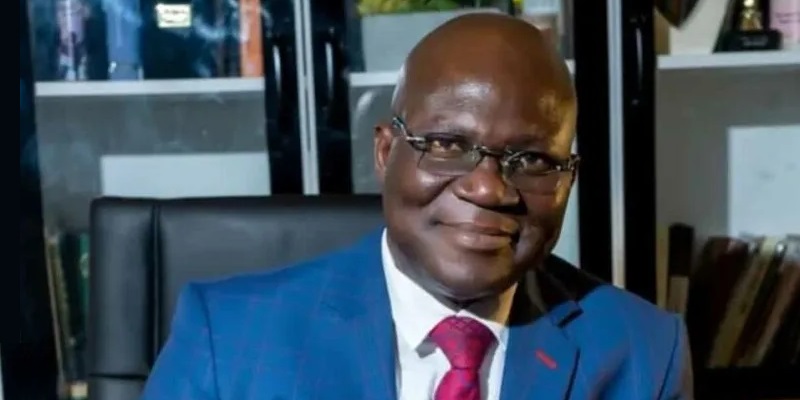
THIS DAWN — In a recent intervention, Umar Sani, former Spokesperson of PDP Presidential Campaign Council 2019 and a consultant, penned a reflection titled In Defence of Truth; Abati, Rufai, and the Burden of Honest Commentary.

His essay responds to criticisms leveled against Dr. Reuben Abati and Rufai Oseni, anchors of ARISE TV’s Morning Show, following their forthright assessments of Nyesom Wike, the Minister of the Federal Capital Territory.
Sani’s defense underscores the importance of responsible journalism in a fragile democracy and warns against attempts to silence or demean credible voices.
Abati’s Record and Credibility
Sani begins by situating Dr. Reuben Abati within Nigeria’s intellectual and political landscape. Abati, he notes, is no neophyte in public affairs.
His professional roots lie in the print media, where rigor, fact‑checking, and clarity of thought are indispensable.
Transitioning into broadcast journalism, Abati has distinguished himself through incisive questioning and layered analysis, consistently refusing to pander to power.
Beyond journalism, Abati’s public service record reinforces his credibility.
As spokesperson to former President Goodluck Jonathan, he discharged his duties with diligence and tact during one of Nigeria’s most politically charged periods.
His tenure culminated in a formal presidential letter of commendation, a testament to his impact.
For Sani, attempts to rewrite this record stem not from evidence but from mischief or envy.
Commentary on Wike and Its Fallout
It is hardly surprising, Sani argues, that Abati’s sharp commentary on Nyesom Wike has provoked discomfort.
When analysis is factual and unflinching, it touches raw nerves—whether among devoted followers or the subjects themselves.
Personal attacks on Abati, therefore, are evasions, designed to dodge the substance of his arguments rather than engage them.
Sani also recalls Abati’s political foray as deputy governorship candidate of the PDP in Ogun State.
Conducted with decorum, Abati’s campaign emphasized ideas over invective.
Allegations about his association with the late Buruji Kashamu, Sani insists, are intellectually lazy. Politics is about alliances, not sainthood.
Those who indict Abati on that basis should first examine the moral baggage of their own principals, many of whom face similar accusations.
Defence of Rufai Oseni
Equally troubling to Sani is the attempt to divert attention from Rufai Oseni’s arguments by resorting to personal insults and body shaming.
Rufai’s physical appearance, he stresses, has no bearing on the validity of his analysis. Such ridicule betrays the poverty of counterargument.
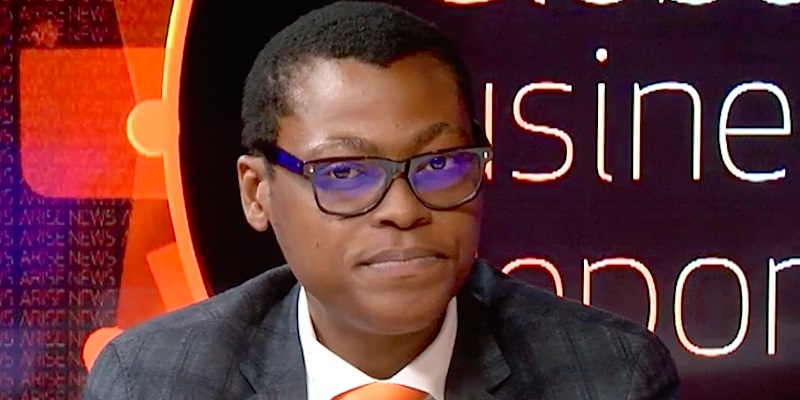
Rufai has consistently demonstrated courage and professionalism, asking questions many would rather avoid.
To mock his form or stature is to substitute ridicule for reason, a tactic that undermines public discourse.
For Sani, Rufai embodies the spirit of journalism that interrogates power rather than cheerleads for it.
Journalism and Democracy
At the heart of Sani’s essay lies a larger issue: the place of responsible journalism in Nigeria’s democracy.
The country does not need sycophants for power, he argues, but interrogators of power.
Abati and Rufai represent a tradition of media practice that insists on accountability, context, and courage.
Disagreement with their views is legitimate; attempts to silence or demean them are not.
Sani warns that when commentary is reduced to insults and insinuations, public discourse suffers.
Citizens must resist the temptation to personalize political debates.
Ideas should be contested with better ideas, arguments with stronger arguments. Only then can democracy thrive.
Umar Sani’s defense of Abati and Rufai is ultimately a call to protect spaces where truth can be spoken without fear or favour.
In his words, to “arise” in the truest sense is to defend credible journalism.
Voices like Abati’s and Rufai’s remind Nigerians that democracy is not sustained by silence but by principled dissent.
As Nigeria navigates complex political contradictions, the burden of honest commentary remains heavy.
Yet, as Sani insists, it is a burden worth carrying—for without it, the nation risks losing the very accountability that sustains democratic life.