TDThe National Assembly has taken a significant step toward reshaping Nigeria’s electoral framework, passing an amendment to the Electoral Act after extensive deliberations.

The Senate’s approval followed a marathon five-hour clause-by-clause review of all 155 provisions.
The process sets the stage for harmonisation with the House of Representatives before the bill is sent to President Bola Ahmed Tinubu for assent.
Here are six key takeaways from the amendment process:
1. Bill Passed After Detailed Deliberation
The Senate’s passage of the amendment bill came after a rigorous review session.
Lawmakers scrutinized each of the 155 clauses, underscoring the importance of electoral reforms in strengthening Nigeria’s democratic process.
The debate reflected both consensus and contention, with senators weighing the implications of each clause for transparency, efficiency, and credibility in elections.
2. Timeline for Election Notices Reduced
One of the most notable changes is the reduction of the timeline for the Independent National Electoral Commission (INEC) to publish a notice of election.
Previously set at 360 days, the new provision requires INEC to issue notices 180 days before an election.
Proponents argue that this adjustment will streamline electoral preparations.;
Critics, however, caution that it may compress timelines for political parties and candidates to mobilize effectively.
3. Electronic Transmission Retained, Real-Time Transmission Rejected
The Senate opted against adopting real-time electronic transmission of election results, a proposal that had generated heated debate.
Instead, lawmakers retained the existing provision for electronic transfer of results, as contained in the 2002 Electoral Act, which INEC has used in past elections.
This decision reflects a cautious approach, balancing technological innovation with concerns about infrastructure readiness and security vulnerabilities.
4. Clarification by Senate Leadership
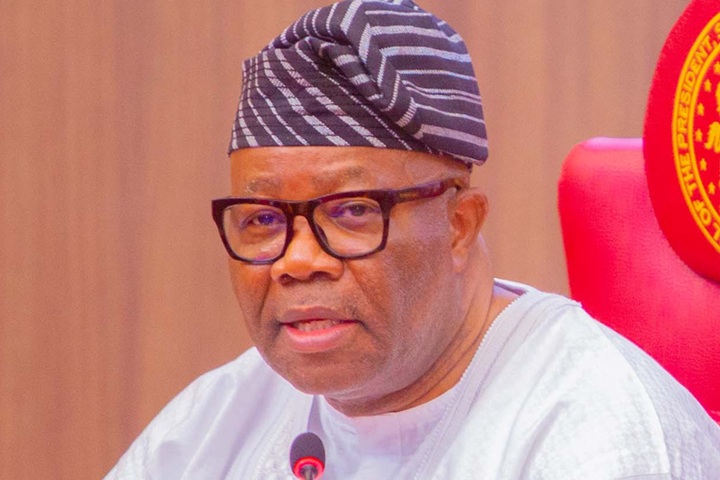
Senate President Godswill Akpabio sought to dispel confusion, clarifying that electronic transmission was not removed from the law.
He emphasized that the chamber merely preserved the existing provision, ensuring continuity while avoiding potential disruptions.
Akpabio’s remarks were aimed at reassuring stakeholders that the Senate remains committed to modernizing Nigeria’s electoral process without compromising credibility.
5. Harmonisation Committee Set Up
To ensure consistency, a joint harmonisation committee comprising members of both the Senate and the House of Representatives has been established.
The committee will reconcile differences between the versions of the bill passed by each chamber.
Once harmonisation is complete, the final document will be transmitted to President Tinubu for assent, marking the last step before the amendments become law.
6. Committee Leadership and Membership
The harmonisation team will be co-chaired by Niyi Adegbonmire from the Senate side.
Other members include Tahir Monguno, Adamu Aliero, Orji Kalu, Abba Moro, Asuquo Ekpeyong, Aminu Abass, Tokunbo Abiru, and Simon Lalong.
Their task will be to ensure that the final version of the Electoral Act reflects consensus and addresses concerns raised during deliberations.
Implications of the Amendment
The passage of the amendment bill carries significant implications for Nigeria’s democratic process:
- Election Timelines:
The reduction in notice periods may accelerate preparations but could challenge smaller parties with limited resources.
- Technology in Elections:
Retaining electronic transmission while rejecting real-time reporting reflects a cautious embrace of technology, balancing innovation with logistical realities.
- Public Confidence:
Clarifications by Senate leadership aim to reassure Nigerians that reforms are designed to enhance credibility, not weaken transparency.
- Political Strategy:
Parties and candidates will need to adjust their campaign strategies to align with the new timelines and provisions.
Summary
The Electoral Act amendment represents a pivotal moment in Nigeria’s democratic journey.
While the changes may not be as sweeping as some reform advocates hoped, they signal the National Assembly’s intent to refine electoral processes and strengthen governance.
The harmonisation committee’s work will be closely watched, as stakeholders anticipate how the final version will shape the conduct of future elections.