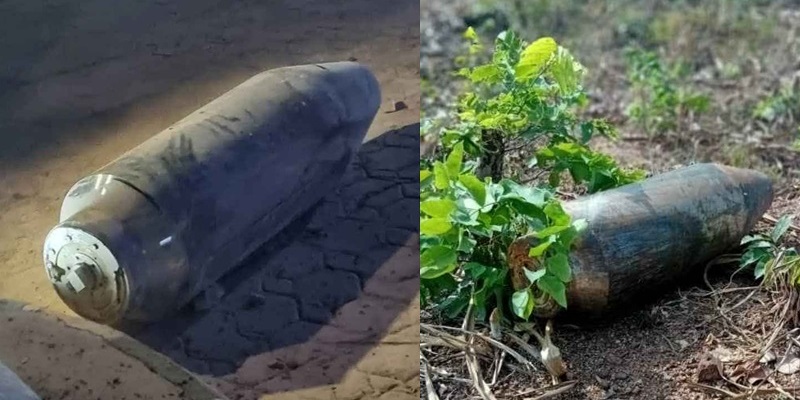
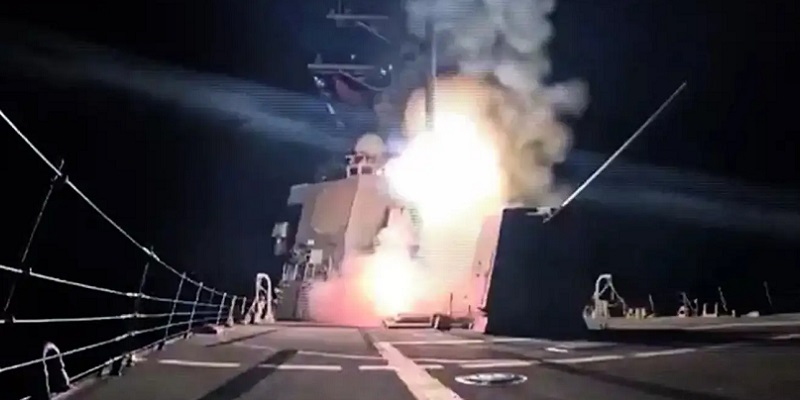
THIS DAWN — Recent U.S. airstrikes targeting ISIS positions in Nigeria’s North West have drawn global attention after reports confirmed that at least three Tomahawk cruise missiles failed to detonate.

The malfunction left debris and unexploded warheads scattered across local communities.
It raised urgent questions about civilian safety, Nigeria’s sovereignty, and the reliability of advanced weaponry in complex environments.
This incident underscores the delicate balance between international military cooperation and the risks posed to local populations.
The Incident involving the missiles
Defense monitoring outlets reported that the strikes were part of a coordinated U.S.–Nigeria operation aimed at degrading ISIS‑linked militants entrenched in Sokoto State.
While several missiles successfully hit their intended targets, at least three Tomahawk missiles malfunctioned mid‑operation.
Locals discovered wreckage and unexploded warheads the following morning, sparking alarm and fueling debates about the dependability of precision weapons.
Conflict researcher Trevor Ball of the investigative journalism collective Bellingcat published photos of the debris, lending credibility to the reports.
Independent defense site Defence Blog corroborated the incident, noting that unexploded ordnance was found near civilian areas in Kwara State.
Analysts suggested that missile safety mechanisms may have prevented detonation after flight‑path deviations, but the presence of live warheads nonetheless posed serious danger to nearby communities.
Context of the Strikes
The December 25 operation formed part of a broader U.S. initiative to support Nigeria’s fight against terrorism.
Nigerian authorities confirmed that the strikes were conducted in coordination with their military.
They emphasized that the operation was intelligence‑driven and specifically targeted ISIS‑linked militants.
This marked one of the most significant direct U.S. military actions in Nigeria since the 2020 rescue of American hostage Phil Walton in Sokoto.
The strikes also came amid heightened insecurity across northern Nigeria.
Banditry, insurgency, and communal violence have displaced thousands and strained government capacity to maintain order across the region.
Civilian Safety Concerns
Presently, no civilian casualties were immediately reported from the misfired missiles.
However, the discovery of unexploded warheads near populated areas has sparked widespread concern.
Residents expressed fear that the ordnance could detonate accidentally, while humanitarian groups warned of psychological trauma and disruption of livelihoods.
Military experts note that unexploded ordnance (UXO) is a recurring risk in conflict zones.
It often requires specialized disposal teams to secure and neutralize the weapons.
Nigerian authorities have since moved to cordon off affected areas and reassure communities of ongoing safety measures.
Nevertheless, the incident highlights the enduring dangers posed by foreign military operations in civilian environments.
Technical malfunctions, experts noted, can have far‑reaching consequences.
Sovereignty and Diplomatic Implications
Beyond immediate safety concerns, the malfunction has reignited debate about Nigeria’s sovereignty and the role of foreign military powers in domestic security operations.
Critics argue that reliance on U.S. strikes risks undermining Nigeria’s strategic autonomy and creating dependency patterns that weaken national defense capacity.
Others contend that the collaboration demonstrates Nigeria’s pragmatic approach to confronting terrorism with international support, reflecting the globalized nature of modern security threats.
Diplomatically, the malfunction underscores the importance of transparency and accountability in joint operations.
Nigeria’s Ministry of Foreign Affairs emphasized that all actions were conducted with consent and coordination.
Questions, however, remain about oversight and the mechanisms for addressing unintended consequences.
The incident may prompt calls for clearer frameworks governing foreign military involvement, ensuring that Nigeria retains control over operations conducted on its soil.
Other Implications of the failed missiles
The failed missile detonations highlight the technological limits of precision warfare.
While advanced weapons are designed to minimize collateral damage, malfunctions can undermine public trust and expose vulnerabilities in military systems.
For Nigeria, the incident illustrates the double‑edged nature of foreign military assistance.
While it strengthens counterterrorism efforts, it also introduces risks that can destabilize communities and complicate diplomatic relations.
For the United States, the malfunction raises questions about the reliability of its weapons systems and the reputational costs of errors in foreign operations.
As Washington seeks to project strength and support allies in counterterrorism, incidents like this can erode confidence in its capabilities and invite scrutiny from both partners and critics.
The December 25 airstrikes in Nigeria’s North West achieved tactical objectives against ISIS‑linked militants but were marred by the malfunction of three Tomahawk missiles.
The presence of unexploded warheads near civilian areas has heightened fears, underscored the risks of foreign military operations, and reignited debates about sovereignty and accountability.
Moving forward, Nigeria and the United States must navigate the delicate balance between effective counterterrorism cooperation and safeguarding civilian trust.
They ought to ensure that future operations prioritize transparency, safety, and respect for national autonomy.