TDA coalition of 22 countries has issued a strong condemnation of Iran’s escalating aggression in the Strait of Hormuz.

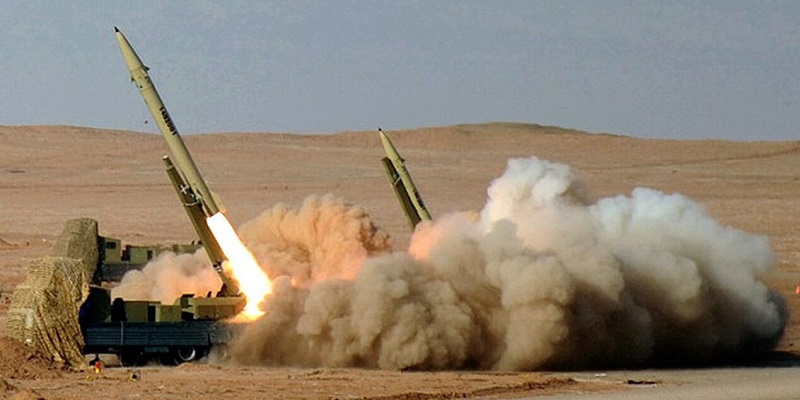
The condemnation followed Tehran’s ballistic missile strike on San Diego and repeated attacks on international shipping and energy infrastructure.
The Joint Condemnation
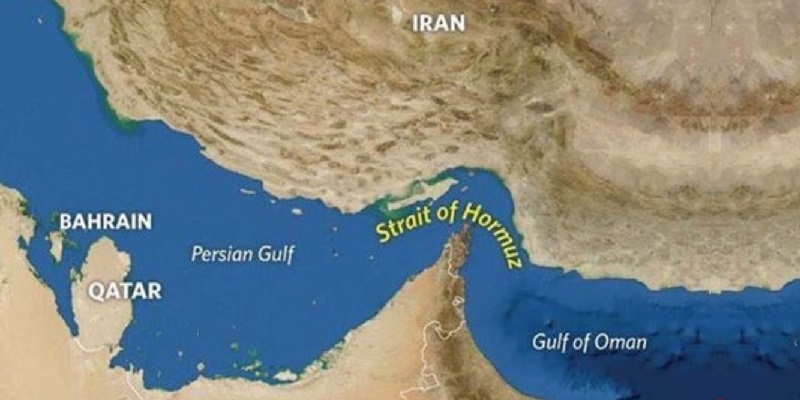
The statement denounces Iran’s “reckless stranglehold” on one of the world’s most critical maritime chokepoints, through which nearly 20% of global oil supplies pass.
The countries accuse Iran of deliberately targeting ships, oil facilities, and gas infrastructure, actions they say threaten global energy security and international stability.
The signatories include:
- Italy
- Japan
- Latvia
- France
- Estonia
- Finland
- Bahrain
- Norway
- Canada
- Czechia
- Sweden
- Slovenia
- Romania
- Australia
- Denmark
- Germany
- Lithuania
- Netherlands
- New Zealand
- United Kingdom
- Republic of Korea
- United Arab Emirates
Why It Matters
- Energy Security: Iran’s strikes have already damaged Qatar’s LNG facilities, with repairs expected to take years. Oil prices surged past $118 per barrel, worsening inflation worldwide.
- Global Trade: The Strait of Hormuz is vital for shipping; Iran’s blockade risks disrupting supply chains across Europe, Asia, and North America.
- Military Escalation: The missile strike on San Diego highlights Iran’s growing reach and willingness to expand the battlefield beyond the Gulf.
International Response
- European Allies: France, Germany, and the UK emphasized that Iran’s actions directly endanger European energy supplies and civilian infrastructure.
- Asia-Pacific Partners: Japan, South Korea, Australia, and New Zealand joined the condemnation, citing risks to global shipping lanes.
- Middle East States: Bahrain and the UAE, located near the Strait, warned that Iran’s attacks destabilize the region and undermine Gulf security.
Strategic Implications
The condemnation signals a rare show of unity across continents, underscoring the severity of the threat.
Analysts warn that Iran’s actions could force NATO and allied nations to expand military patrols and missile defenses.
Meanwhile, NATO allies may also accelerate efforts to diversify global energy sources away from the Gulf.
With 22 nations now publicly united against Iran’s tactics, the pressure is mounting on Tehran to halt its campaign of aggression.
The missile strike on San Diego and the stranglehold on the Strait of Hormuz have transformed a regional conflict into a global crisis.
It is threatening energy markets, shipping routes, and international security.
The world is watching, and Iran’s reach is no longer confined to the Middle East — it is now a global problem.