TDAs the 2027 general elections approach, a youth group known as Youth Rendezvous for Greater Igbo Advancement has urged political parties to apply zoning in Ogbaru Federal Constituency, particularly to Okpoko community.

The group specifically called on the All Progressive Grand Alliance (APGA) and other parties to allocate the House of Representatives ticket to Ogbaru 2 State Constituency, especially Okpoko.
At an emergency meeting held at their Secretariat in Onitsha, the group expressed deep concern over what they described as a long-standing injustice.
They noted that Okpoko, despite being one of the most densely populated communities in Ogbaru, has never produced a representative in the Federal House since Nigeria’s return to democracy in 1999.
According to them, this exclusion is due to the dominance of Ogbaru 1 State Constituency, which has consistently sidelined Okpoko in political representation.
The youth group presented evidence to support their demand.
They argued that zoning the seat to Okpoko in 2027 would correct the imbalance and ensure fairness.
They insisted that all candidates contesting for the Ogbaru Federal Constituency seat in 2027 should come from Okpoko community.
Zoning and Rotation
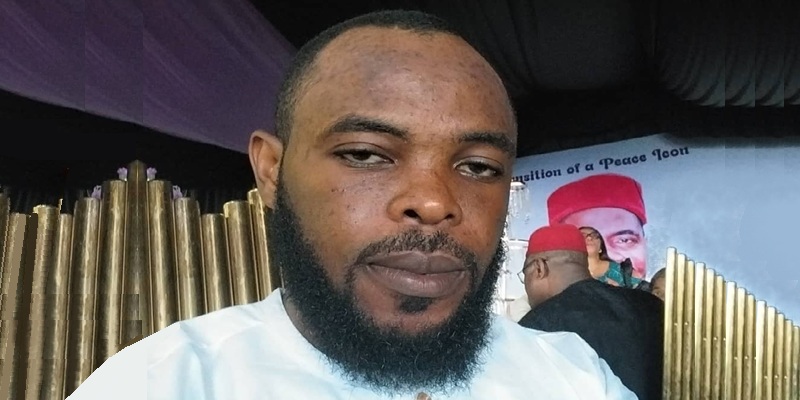
Comrade Onyeka Nwachukwu, the group’s coordinator and spokesman, addressed journalists after the meeting.
He outlined how Ogbaru 1, also known as the inland communities, has monopolized the seat since 1999.
He stressed that allowing them to retain the position again in 2027 would contradict the principle of zoning, which is meant to promote equity and inclusion.
Nwachukwu emphasized that zoning and rotation of power are already entrenched at the state level.
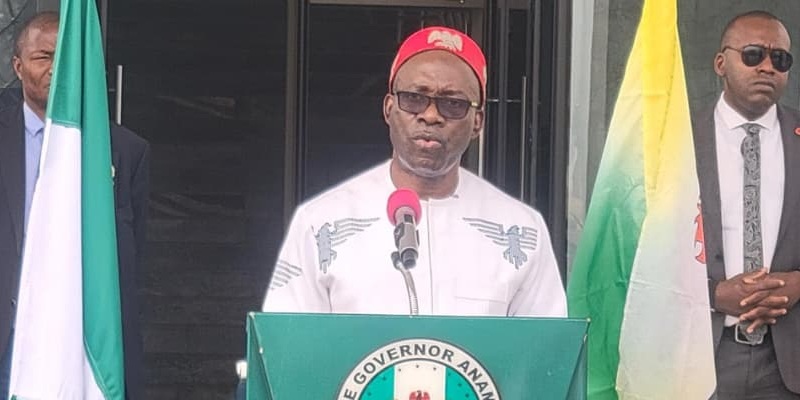
He pointed to the governorship seat in Anambra, which rotates among the three senatorial zones.
He argued that the same principle should be applied at constituency level, with Okpoko as a clear example of a community that deserves inclusion.
Fairness and Equity foor Okpoko
On behalf of the group, Nwachukwu repeatedly appealed to party leaders and stakeholders in Anambra State to critically examine the issue.
He urged them to promote zoning and rotation of power across all political structures, not just at the top.
He concluded that giving Okpoko the opportunity to produce a representative in 2027 would not only correct a historical imbalance but also strengthen the democratic process in Ogbaru.
The group’s call reflects growing agitation for fairness and inclusivity in political representation.
As the elections draw closer, their demand is likely to spark wider debate on zoning and the future of power-sharing in Anambra politics.